
iPSC Regenerative Medicine Guide
A patient-friendly guide to IPS Cells, also called induced pluripotent stem cells or iPSCs, including what they are, how they differ from MSCs, why they matter in research, and what patients should ask before advanced regenerative medicine discussions.
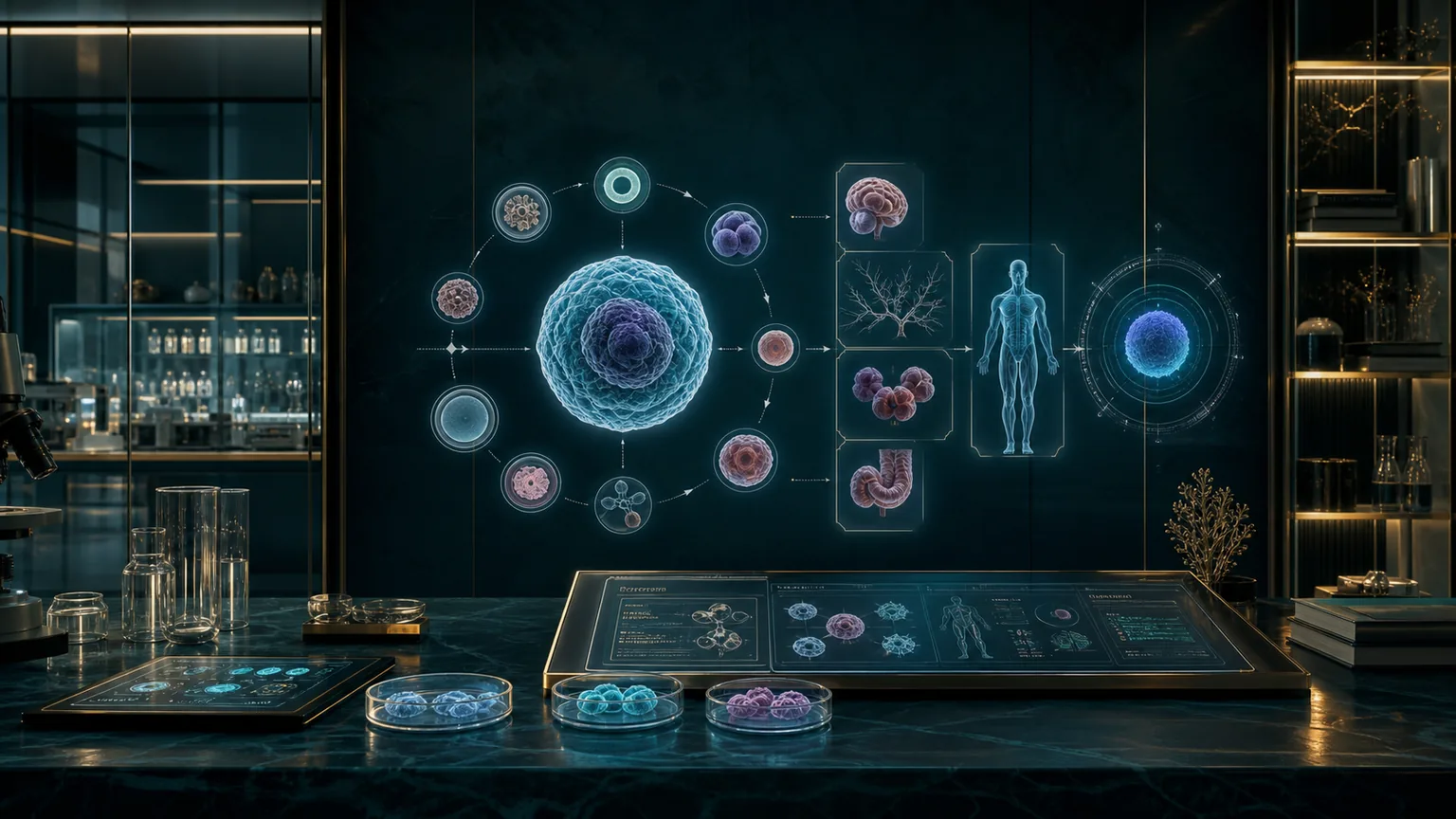
Start here: what patients should understand about iPSC.
Induced pluripotent stem cells are adult cells that have been reprogrammed in the laboratory to a pluripotent state. This means they can be guided toward many specialised cell types under controlled research conditions.
For patients, the most important point is clarity. iPSC research, MSC-related clinical discussions and exosome discussions are not the same thing. Each has different questions around source, processing, intended use, safety, quality control and regulatory context.
Patient takeaway: when a clinic mentions advanced stem cell technology, ask what exact cell type is being discussed and whether it is clinical treatment, research education or future-facing science.
Advanced science needs careful questions.
Cell source
Where do the cells come from, and what donor or patient information is relevant?
Reprogramming
How were cells reprogrammed, and what quality checks apply?
Differentiation
What cell type is intended after laboratory guidance, and how is identity confirmed?
Genetic stability
What testing is used to review genetic or chromosomal stability?
Clinical status
Is this an approved clinical service, a research protocol, or educational discussion?
Follow-up
What monitoring, consent and follow-up expectations are required?
IPS Cells questions.
What are IPS Cells or iPSCs?
IPS Cells, also called induced pluripotent stem cells or iPSCs, are adult cells reprogrammed in laboratory research to a pluripotent state, meaning they can give rise to many cell types under controlled conditions.
Are iPSCs the same as MSC therapy?
No. Mesenchymal stem cell discussions and iPSC research are different. Patients should ask what cell type is being discussed, whether it is clinical, research-based or educational, and what safety controls apply.
Why are iPSCs important in regenerative medicine?
iPSCs are important in disease modelling, drug testing and future regenerative medicine research because they can help scientists study patient-specific cells and tissue development.
Should patients ask about iPSC safety?
Yes. Important questions include cell source, reprogramming method, genetic stability, differentiation, quality control, intended use, clinical status and regulatory context.
How should patients begin advanced stem cell enquiries?
Patients should begin with Clinical Intelligence Review so the team can understand diagnosis, medical records, goals and whether any advanced regenerative medicine discussion is appropriate.
iPSC education should be grounded in recognised science.
Start advanced regenerative medicine enquiries with Clinical Intelligence Review.
Submit your diagnosis, records and goals so the clinical team can explain which regenerative medicine topics are relevant to your case.
Patients who want to understand induced pluripotent stem cells clearly before comparing clinical and research claims. Main diagnosis, goals, current treatment, questions about MSCs versus iPSC, safety and evidence expectations. iPSC should be understood as an important research topic and education signal, not confused with routine treatment planning. Use this page as part of a structured decision journey: clarify the patient goal, prepare records, compare options responsibly and move into Clinical Intelligence Review when ready.iPSC Education Snapshot
See how this fits into a doctor-led review.