
Bone Marrow Mesenchymal Stem Cells Malaysia
A doctor-led guide to Bone Marrow Mesenchymal Stem Cells, including source differences, repair signalling, orthopedic and immune-support contexts, suitability review and personalised treatment planning.
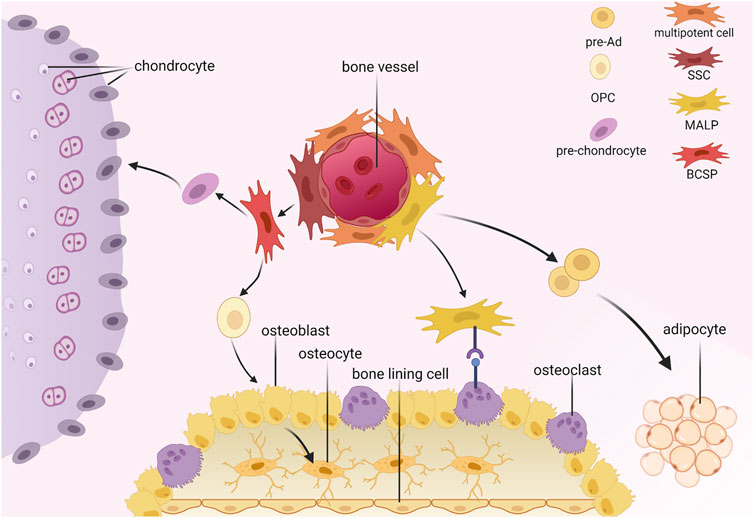
Bone Marrow Mesenchymal Stem Cells are MSCs found in the bone marrow environment.
Bone Marrow Mesenchymal Stem Cells, or BMSCs, are multipotent stromal cells found in bone marrow. They are studied for their role in the bone marrow niche, immune signalling, tissue-support environments and differentiation potential into lineages such as bone, cartilage, fat and muscle-related cells.
In regenerative medicine planning, BMSCs are often discussed for orthopedic, musculoskeletal, inflammatory, immune and recovery-related contexts. The clinical question is whether BMSCs are the right source for the patient, compared with umbilical cord-derived MSCs, exosomes or a targeted protocol.
Bone marrow MSCs and umbilical cord MSCs are not the same conversation.
Different MSC sources can have different practical, biological and patient-selection considerations. Bone marrow-derived MSCs are historically important in regenerative medicine research, while umbilical cord-derived MSCs are often discussed for youthful source and allogeneic treatment planning.
Patients should compare source, processing, suitability, delivery route and goals before deciding which MSC pathway deserves review.
Where BMSC therapy may fit into a regenerative medicine discussion
Bone, cartilage and joint contexts
BMSCs are commonly discussed in relation to bone, cartilage, orthopedic and joint-repair environments.
Inflammation and immune communication
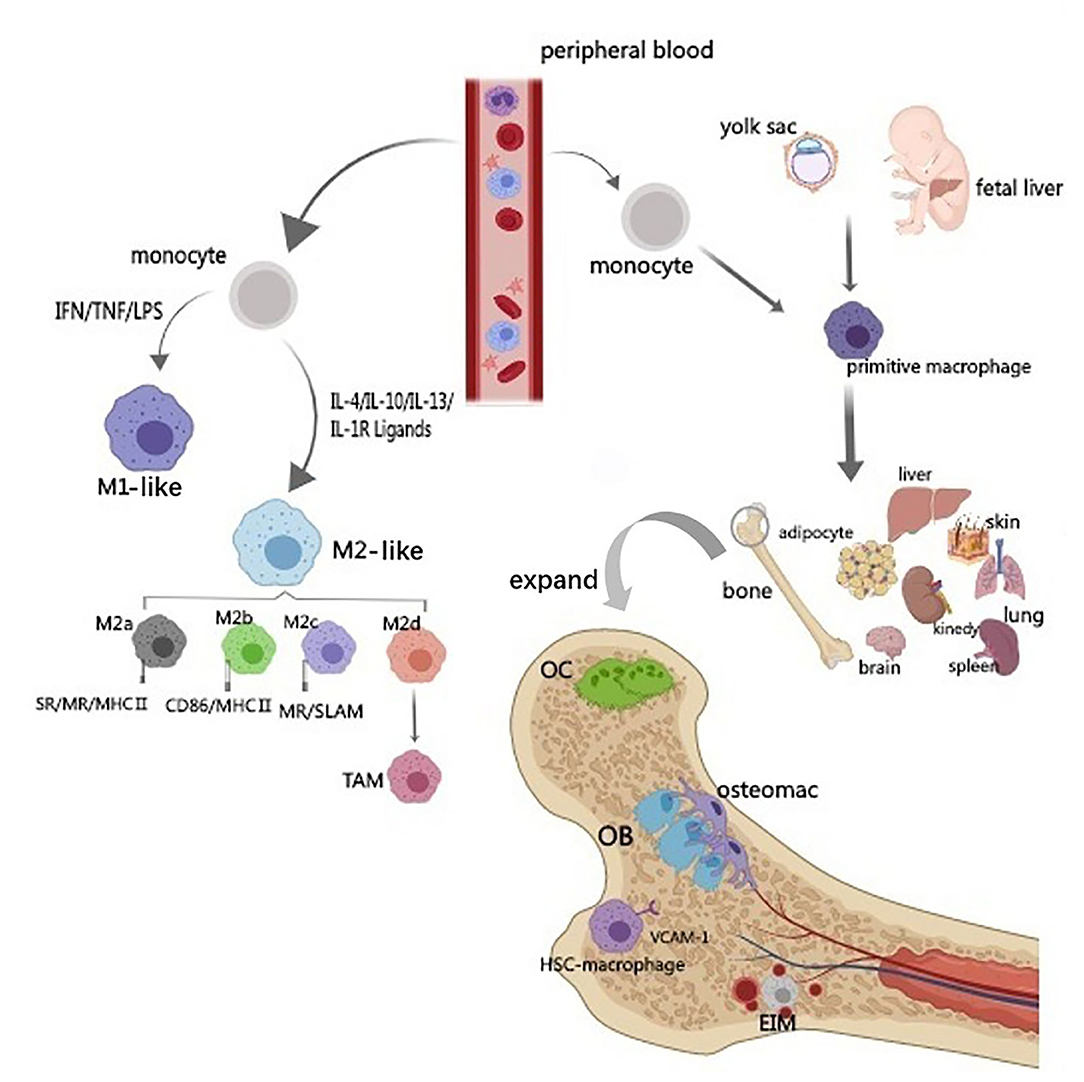
BMSCs may release signalling molecules that interact with inflammatory and immune pathways relevant to patient selection.
Recovery and rehabilitation planning
For musculoskeletal and mobility concerns, biological therapy discussion should be connected to rehabilitation and follow-up tracking.
Best suited for patients comparing stem cell sources or orthopedic recovery pathways.
Patients comparing BMSCs and UC-MSCs
Patients often want to understand whether bone marrow-derived or umbilical cord-derived MSCs make more sense for their goals.
Patients with orthopedic or mobility goals
Joint pain, cartilage concerns, sports injury, tendon or musculoskeletal recovery questions may need BMSC source review.
Patients with complex inflammation history
Immune and inflammatory history can influence whether BMSC discussion is appropriate.
We review BMSC therapy as part of a broader source-selection conversation.
Before discussing BMSC therapy, our team reviews diagnosis, imaging, inflammatory history, medication use, allergies, infection risk, prior procedures, mobility status and the patient's treatment goals.
How to start BMSC review
1. Share the clinical goal
Submit diagnosis, imaging, joint or organ concerns, pain history, mobility status, prior procedures and medication list.
2. Compare source options
The team reviews whether BMSCs, UC-MSCs, exosomes, diagnostics, rehabilitation or a targeted pathway should be discussed.
3. Plan follow-up and recovery
If suitable, the plan should include treatment goals, delivery-route discussion, rehabilitation alignment and follow-up markers.
BMSC therapy should sit inside the right patient pathway.
General MSC therapy
Patients who need a broader MSC overview can compare BMSCs with umbilical cord-derived MSC planning.
Osteoarthritis and joint pain
Orthopedic patients may need imaging review, pain history, mobility assessment and rehabilitation planning.
Stem Cell Therapy Malaysia
The central stem cell authority hub explains the broader clinical and patient planning context.
Useful for source education and patient questions.
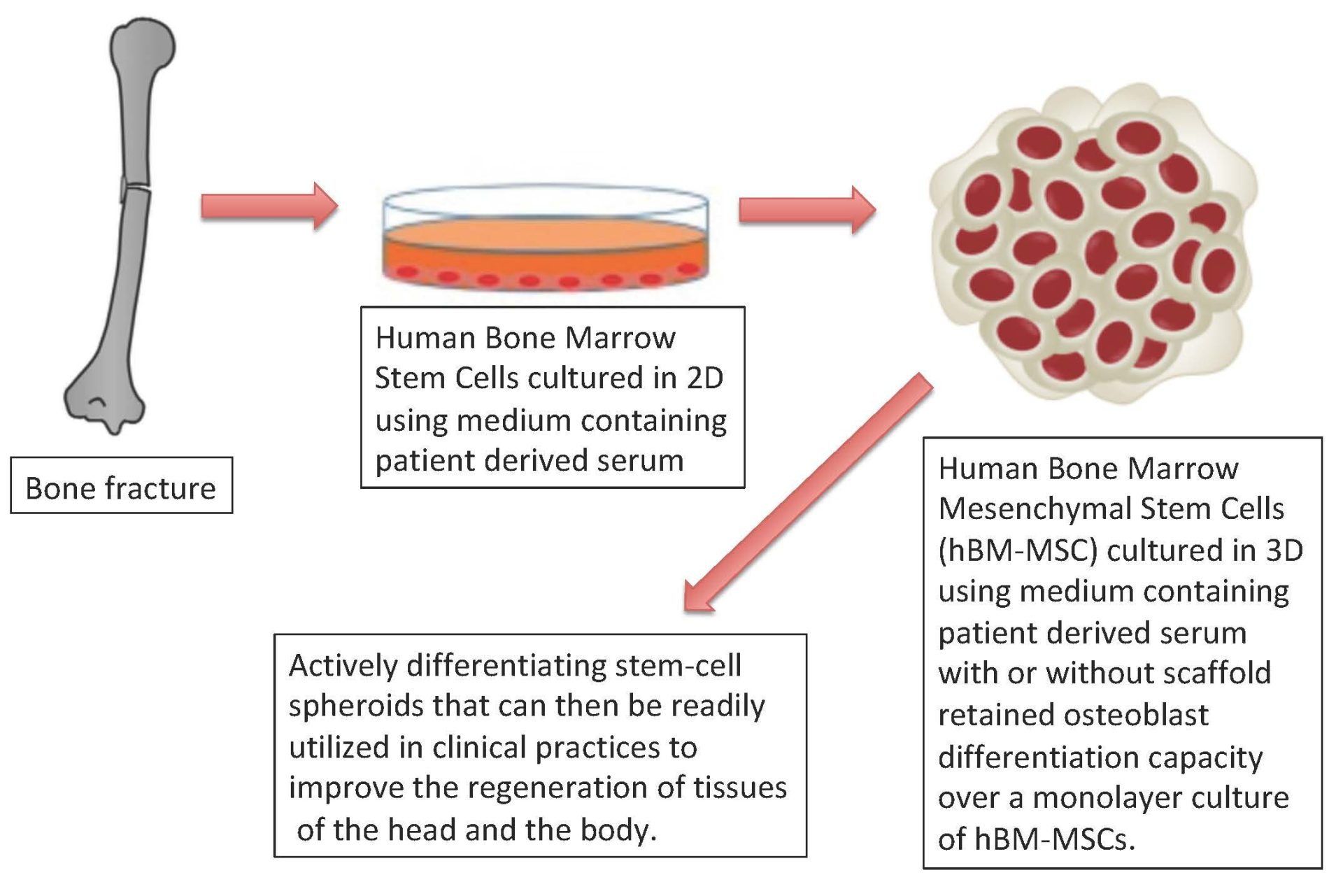
BMSC diagrams and scientific illustrations can help patients understand why the source, biological role and clinical context of stem cells matter. The page is structured to make the discussion simpler before consultation.
Questions Patients Commonly Ask About BMSC Therapy
What are Bone Marrow Mesenchymal Stem Cells?
BMSCs are mesenchymal stem cells found in bone marrow and studied for tissue-support, immune signalling and differentiation-related roles.
How are BMSCs different from umbilical cord MSCs?
They come from different sources and may have different practical and biological considerations. The best option depends on clinical goals and suitability review.
Who should request BMSC review?
Patients comparing stem cell sources, orthopedic recovery options, joint care, inflammatory concerns or rehabilitation-linked treatment may request review.
What information should I submit?
Diagnosis, imaging, blood tests, medication list, prior procedures, pain and mobility history, and treatment goals are helpful.
Where BMSC questions usually fit
Bone marrow MSC discussions commonly begin with orthopedic, immune and recovery goals, then require suitability review.
Osteoarthritis and cartilage concerns
Patients need imaging, pain score, mobility limits and prior injection or surgery history reviewed.
View pathwaySports injury recovery
Tendon, ligament, joint and return-to-activity goals need imaging and rehabilitation context.
View pathwaySpine, disc and nerve pain
Back, disc and nerve symptoms should be reviewed with scans and neurological findings.
View pathwayAutoimmune and inflammation
Immune conditions require medication, flare history and specialist-record review first.
View pathwayStart with source selection and suitability before choosing BMSC therapy.
Share your medical background, imaging and goals so the team can advise whether BMSCs, UC-MSCs, exosomes, diagnostics or rehabilitation should be considered first.
Compare the treatment through a doctor-led pathway.
Use this page as part of a structured decision journey: clarify the patient goal, prepare records, compare options responsibly and move into Clinical Intelligence Review when ready.