
Follistatin Gene Therapy Malaysia
A premium doctor-led review pathway for patients exploring Follistatin, myostatin modulation, muscle preservation, body composition, recovery, metabolic resilience and performance-focused longevity medicine.
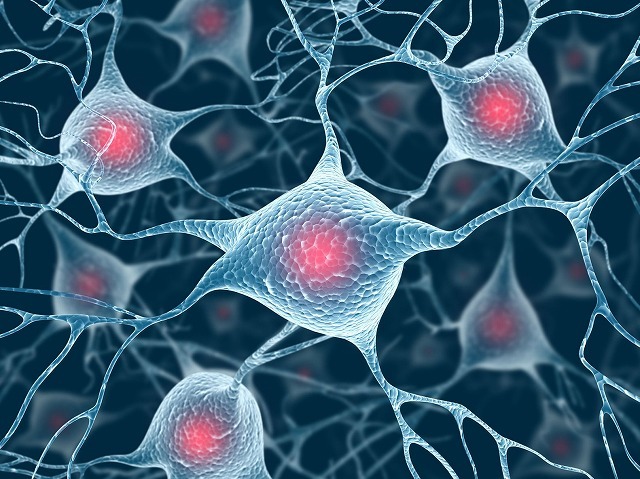
Follistatin is closely discussed because of its relationship with the myostatin pathway.
Myostatin is a signalling protein involved in limiting muscle growth. Follistatin is studied because it can bind to and modulate myostatin-related signalling, which is why patients researching advanced longevity, performance recovery and age-related muscle decline often ask about Follistatin Gene Therapy.
The important question is not simply whether Follistatin sounds powerful. The key question is whether the patient's goals, health markers, recovery status, metabolic profile and safety factors make this pathway appropriate to discuss.
This is not a generic anti-aging page. It is an advanced biologic planning conversation.
Follistatin review should be connected to body composition, sarcopenia risk, training history, injury recovery, hormone balance, insulin resistance, cardiovascular risk, liver and kidney function, medication use and the patient's desired outcome.
Patients deserve a serious review of suitability, monitoring and follow-up before advanced gene-therapy discussions begin.
Why patients request Follistatin Gene Therapy review
Muscle preservation and strength
Patients with age-related muscle decline, post-illness weakness, rehabilitation needs or performance goals may request review around muscle-support pathways.
Body composition and metabolic resilience
Some patients want a deeper plan around lean mass, fat percentage, insulin sensitivity, energy, nutrition and training recovery.
Longevity performance
High-functioning patients may ask about Follistatin as part of a broader longevity plan with NAD+, NMN, diagnostics, recovery and follow-up tracking.
For patients who want a serious, data-led longevity and muscle review.
Age-related muscle decline
Men and women experiencing reduced strength, slower recovery, lower muscle mass or physical decline may request review.
Post-illness or rehabilitation recovery
Patients recovering from injury, surgery, stroke, prolonged illness or inactivity may need muscle and recovery goals reviewed carefully.
Performance-focused patients
Athletes, executives and longevity patients may want a structured pathway for body composition, strength, energy and recovery.
Complex metabolic patients
Patients with insulin resistance, weight issues, fatigue or hormone concerns may need broader optimization before therapy discussion.
We make Follistatin part of a bigger clinical intelligence picture.
The review looks at muscle status, body composition, training capacity, injury history, metabolic markers, hormone results, medications, sleep, nutrition, cardiovascular risk and the patient's personal goals.
How to start Follistatin review
1. Define the goal
Clarify whether the goal is muscle preservation, strength, recovery, body composition, longevity performance or rehabilitation support.
2. Review health markers
The team reviews available labs, hormone markers, metabolic profile, medication list, training history, injury history and safety factors.
3. Build a monitored plan
If appropriate for discussion, planning should include baseline markers, supportive protocols, follow-up timing and progress tracking.
Follistatin should not be planned in isolation.
NAD+ and NMN
Cellular energy, mitochondrial support and recovery may be part of a broader longevity conversation.
Rehabilitation and training
Strength improvements depend on movement, resistance training, recovery, nutrition and measurable follow-up.
Personalised protocol planning
Complex patients often need diagnostics, sequencing and combined protocols rather than a single therapy decision.
Convincing patients means showing a complete plan, not just a powerful therapy name.
The strongest Follistatin page should help patients feel that their goals are being understood through medical context, measurable baselines and responsible follow-up. That is what separates a premium centre from a generic treatment seller.
For advanced longevity medicine, the decision pathway should be personalised, monitored and connected to real functional goals.
Follistatin enquiries usually start with these goals
Follistatin should be reviewed as part of a muscle, metabolic, rehabilitation or longevity pathway.
Muscle loss and sarcopenia
Age-related or illness-related muscle decline needs body composition, function and safety review.
View pathwayMetabolic resilience
Body composition and metabolic markers should guide whether gene-therapy education is relevant.
View pathwayPerformance recovery
Athletes and active patients need injury history, training load and recovery goals reviewed.
View pathwayLongevity protocol planning
Follistatin questions often belong inside a broader NAD/NMN, nutrition and recovery plan.
View pathwayFollistatin Decision Snapshot
Patients comparing advanced longevity, muscle preservation, body composition, performance recovery and myostatin-pathway regenerative medicine planning.
Body composition goals, muscle loss history, metabolic markers, hormone results if available, medications, exercise capacity, injury history and recovery goals.
Start with a doctor-led review to decide whether Follistatin, NAD+, NMN, rehabilitation, hormone optimization or a combined longevity plan should be discussed.
Questions Patients Commonly Ask About Follistatin Gene Therapy
What is the myostatin pathway?
Myostatin is a signalling protein involved in limiting muscle growth. Follistatin is studied because it can interact with myostatin-related signalling.
Who should consider review?
Patients with muscle decline, recovery goals, body composition concerns, performance goals or longevity planning questions may request evaluation.
What information should I submit?
Body composition goals, lab results, medications, hormone markers if available, exercise history, injury history and recovery goals are useful.
Can this be combined with longevity protocols?
Many patients ask about Follistatin alongside NAD+, NMN, rehabilitation, nutrition, hormone review and personalised protocol planning.
Start with your goals, markers and recovery profile.
Share your body composition goals, muscle history, labs, medication list and performance targets so the team can advise which longevity or regenerative pathway deserves review first.
Compare the treatment through a doctor-led pathway.
Use this page as part of a structured decision journey: clarify the patient goal, prepare records, compare options responsibly and move into Clinical Intelligence Review when ready.