
Stem Cell Therapy For Osteoarthritis Malaysia
A doctor-led regenerative medicine pathway for patients with knee, hip, shoulder or other joint osteoarthritis who want a clearer review of imaging, inflammation, cartilage health, mobility goals and rehabilitation planning.
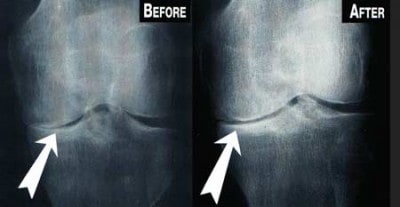
Osteoarthritis is more than wear and tear.
Osteoarthritis can involve cartilage breakdown, joint inflammation, pain signalling, stiffness, swelling, reduced mobility and changes in the tissues around the joint. Many patients come to us after trying painkillers, physiotherapy, injections or being told to monitor symptoms until surgery becomes necessary.
A stronger review starts by understanding the joint itself: which joint is affected, how severe the imaging changes are, what movements are limited, what previous treatments were done and whether inflammation, weight, muscle strength, injury history or metabolic health may be influencing recovery.
The goal is to support the joint environment and recovery plan.
Stem cells and exosomes are discussed in osteoarthritis because of their signalling roles in inflammation, tissue-support pathways and repair environments. The best patient conversation is personalised around the joint condition, not presented as a one-size-fits-all injection.
Suitability review should include diagnosis, imaging, pain pattern, mobility goals, medication history, prior injections, surgical advice and rehabilitation readiness.
The questions that matter before choosing a joint treatment pathway
Joint imaging and severity
X-ray or MRI findings help clarify cartilage loss, joint space narrowing, bone changes, meniscus issues, ligament status and whether a regenerative approach is reasonable to discuss.
Pain, stiffness and function
We review walking tolerance, stairs, squatting, swelling, morning stiffness, sports goals, sleep disruption and daily activities affected by the joint.
Previous treatments
Prior steroid injections, hyaluronic acid, PRP, physiotherapy, pain medication, surgery advice and response history help shape a cleaner next-step discussion.
Patients who want a structured review before deciding what to do next.
Knee, hip or shoulder osteoarthritis
Patients with common weight-bearing or high-use joint concerns often need imaging, pain and function reviewed together.
Active adults with mobility goals
Patients who want to keep working, walking, travelling, training or playing sport may need a recovery plan that includes rehabilitation and tracking.
Patients comparing injection options
Patients often ask about MSCs, BMSCs, exosomes, PRP or hyaluronic acid and need a clearer comparison based on their joint status.
We connect the biology with the patient's real movement goals.
The review looks at the affected joint, imaging stage, pain score, swelling, mobility limits, prior treatment response, inflammation drivers, body composition, rehabilitation history and medical safety before discussing stem cell or exosome pathways.

How osteoarthritis review works
1. Share joint records
Submit X-ray or MRI, diagnosis, pain location, medication list, prior injections, physiotherapy notes and any surgical recommendation.
2. Review suitability and options
The team reviews whether MSC therapy, BMSC discussion, exosomes, rehabilitation, weight/metabolic support or specialist referral should be considered.
3. Build recovery planning
If a regenerative pathway is suitable to discuss, follow-up should include pain, function, mobility, strength and activity tracking.
Osteoarthritis patients often need more than one discussion.
Mesenchymal Stem Cells
MSC therapy is discussed for signalling, inflammatory environment and tissue-support pathways in selected regenerative medicine contexts.
Bone Marrow MSCs
BMSC education can be useful for patients comparing stem cell sources and orthopedic regenerative medicine history.
Exosomes
Exosomes are extracellular vesicles studied for cellular communication and inflammation-related signalling, including musculoskeletal research contexts.
Patients make better decisions when the problem is visible.
Cartilage, meniscus, bone surface, synovial inflammation, ligament stability and surrounding muscle strength can all affect symptoms. A premium joint review should help the patient understand which part of the joint is driving the complaint.

Joint treatment should be paired with measured movement progress
Pain and swelling trend
Pain score, swelling episodes, medication needs and sleep disruption should be tracked after the care plan begins.
Mobility and strength
Walking distance, stairs, squatting, balance, range of motion and muscle strength help show whether function is improving.
Rehabilitation alignment
Physiotherapy, guided exercise, weight management and activity pacing can help protect the joint environment after treatment.
A quick patient education video for osteoarthritis enquiries.
This page also includes a short video overview for patients who prefer to understand joint pain and regenerative medicine visually before submitting records.
Questions Patients Commonly Ask About Osteoarthritis Stem Cell Therapy
What records should I submit?
X-ray or MRI, diagnosis, pain score, medication list, prior injections, physiotherapy history and any surgical recommendation are helpful.
Which joints can be reviewed?
Knees, hips, shoulders, ankles, hands and other joints may be reviewed depending on diagnosis, imaging and clinical history.
Are exosomes the same as stem cells?
No. Stem cells are living cells, while exosomes are extracellular vesicles involved in signalling and cellular communication.
Why is rehabilitation important?
Pain relief alone is not the full goal. Strength, range of motion, walking tolerance and safe return to activity all matter for joint recovery planning.
Start with your imaging, pain pattern and mobility goals.
Share your X-ray or MRI, pain history, previous treatments and daily movement goals so the team can advise which osteoarthritis pathway deserves review first.
Compare the treatment through a doctor-led pathway.
Use this page as part of a structured decision journey: clarify the patient goal, prepare records, compare options responsibly and move into Clinical Intelligence Review when ready.