Cerebral Palsy Clinical Intelligence Hub
A family-focused pathway for cerebral palsy, developmental delay, spasticity, movement, posture, mobility, feeding, speech, seizures, therapy history, stem cell and exosome questions, rehabilitation and Clinical Intelligence Review in Malaysia.
MRI, EEG, therapy and specialist reports
Mobility, tone, speech, feeding and seizure review
Family goals, rehabilitation and follow-up planning
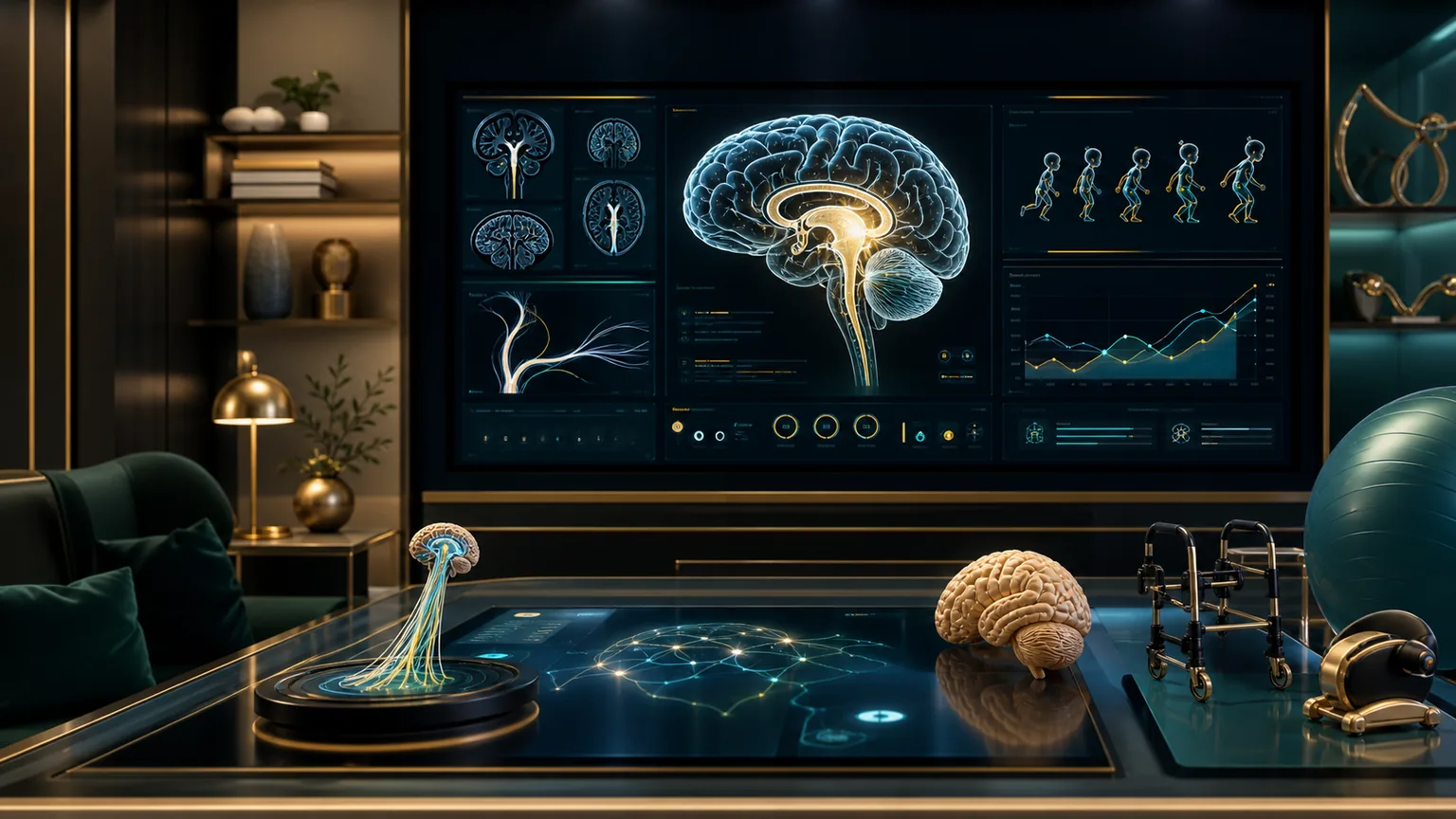
Cerebral palsy review should be practical, family-centred and functional.
Cerebral palsy affects movement, posture and daily function in different ways. Some children and adults mainly need mobility support; others also need help with communication, feeding, seizures, sleep, pain, learning, respiratory health or caregiver planning.
This centre helps families organize the whole picture before discussing stem cells, exosomes, rehabilitation, supportive therapies or travel to Malaysia. The first goal is clarity: what is the diagnosis, what is the baseline, what matters most to the family, and what needs to be protected.
Best starting point: prepare a short functional profile. Include what the child or adult can do now, what has changed, what therapies are ongoing, what is difficult every day, and which goals would make life meaningfully easier.
What the doctor-led review should organize.
Diagnosis and type
Clarify cerebral palsy type, affected limbs, tone pattern, movement disorder features, developmental history and whether another diagnosis is being investigated.
Function baseline
Document sitting, standing, walking, hand use, communication, feeding, swallowing, toileting, sleep, school participation and caregiver needs.
Medical safety
Review seizures, respiratory concerns, aspiration risk, nutrition, reflux, constipation, pain, hip/spine concerns, medications and prior surgeries.
Therapy history
Therapy records, orthotics, assistive devices, botulinum toxin history, rehabilitation intensity and home programme consistency help define realistic planning.
Family priorities
Families may prioritize comfort, walking, hand use, speech, feeding, sleep, behaviour, therapy participation, school function or easier daily caregiving.
Follow-up plan
Any advanced discussion should include baseline measures, rehabilitation support, adverse-event monitoring, local doctor coordination and progress tracking.
Stem cell and exosome questions need a family-specific review.
Stem cells
Stem cell enquiries for cerebral palsy should begin with diagnosis clarity, age, severity, seizures, medications, therapy baseline, medical stability, family goals and follow-up capacity.
Exosomes
Exosome discussions should remain evidence-aware and individualized, especially when a patient has neurological, immune, seizure, feeding or respiratory considerations.
Clinical Intelligence
The Clinical Intelligence Platform helps organize reports, therapy records, medical risks, developmental baseline, family priorities and travel questions before detailed planning.
From family goals to structured review.
Build the profile
Summarize diagnosis, age, milestones, current function, medical concerns, therapies and family goals.
Collect reports
Prepare specialist notes, MRI/CT, EEG, therapy reports, school reports, medication list and surgical history.
Map safety
Review seizures, swallowing, nutrition, respiratory issues, pain, hip/spine concerns, allergies and medication risks.
Clinical review
The team identifies missing records, suitability questions, therapy needs, travel feasibility and follow-up priorities.
Track function
Track comfort, sleep, tone, mobility, feeding, communication, therapy participation, caregiver burden and adverse events.
Continue through the family support pathway.
Patient Resources
Use the central patient hub to compare neurological, developmental, rehabilitation and international patient pathways.
Autism Centre
Families with overlapping developmental, communication, gut, sleep or behaviour concerns may also review the autism family preparation pathway.
Rehabilitation And Recovery
Review structured rehabilitation, therapy participation, function tracking and follow-up support before and after advanced medical discussion.
Cerebral palsy review questions.
What is the Cerebral Palsy Centre Malaysia page for?
It is a structured family guide for cerebral palsy and developmental delay enquiries, including records, therapy history, function baseline, stem cell and exosome questions, rehabilitation and Clinical Intelligence Review in Malaysia.
What records should families prepare?
Prepare diagnosis letters, birth and developmental history, MRI or CT reports, EEG if relevant, therapy reports, school reports, medication list, seizure history, feeding or swallowing notes and family goals.
Can stem cells or exosomes replace therapy?
No. Physiotherapy, occupational therapy, speech therapy, medical care, nutrition support and family-centred rehabilitation remain important. Regenerative medicine questions should be reviewed in context.
Can international families begin online?
Yes. Families can begin with Clinical Intelligence Review before deciding whether Malaysia travel is appropriate.
Why does the review focus on daily function?
Daily function shows what matters in real life: comfort, mobility, communication, feeding, sleep, school participation, therapy engagement and caregiver burden.
Evidence-aware cerebral palsy review.
This page is for patient education and preparation. Diagnosis, seizure management, feeding/swallowing decisions, medications, surgery and rehabilitation should remain coordinated with qualified clinicians.
Book a Clinical Intelligence Review before planning cerebral palsy treatment in Malaysia.
Submit diagnosis notes, therapy reports, imaging, seizure history, medication lists, daily function notes and family goals so the team can organize the case before treatment or travel planning.
This page is for patient education and consultation planning. It does not diagnose cerebral palsy and does not replace pediatric neurology, rehabilitation medicine, therapy, nutrition, seizure or primary medical care.
Use this page as part of a structured decision journey: clarify the patient goal, prepare records, compare options responsibly and move into Clinical Intelligence Review when ready.See how this fits into a doctor-led review.
Clinical review pathwayReviewed through our doctor-led clinical review pathway.
Review The Standards Behind Your Treatment Plan
Before treatment planning, patients can check our doctor-led review process, cell quality documentation, safety questions and readiness pathway in one place.