
Multiple Sclerosis Clinical Intelligence Hub
A doctor-led pathway for patients and families researching MS, relapse history, MRI records, disease-modifying therapy, fatigue, mobility, pain, neuroinflammation, exosomes, stem cells, rehabilitation and Clinical Intelligence Review in Malaysia.
MRI, lumbar puncture and neurology records
DMT, steroid and medication history
Mobility, fatigue, bladder, cognition and rehabilitation goals
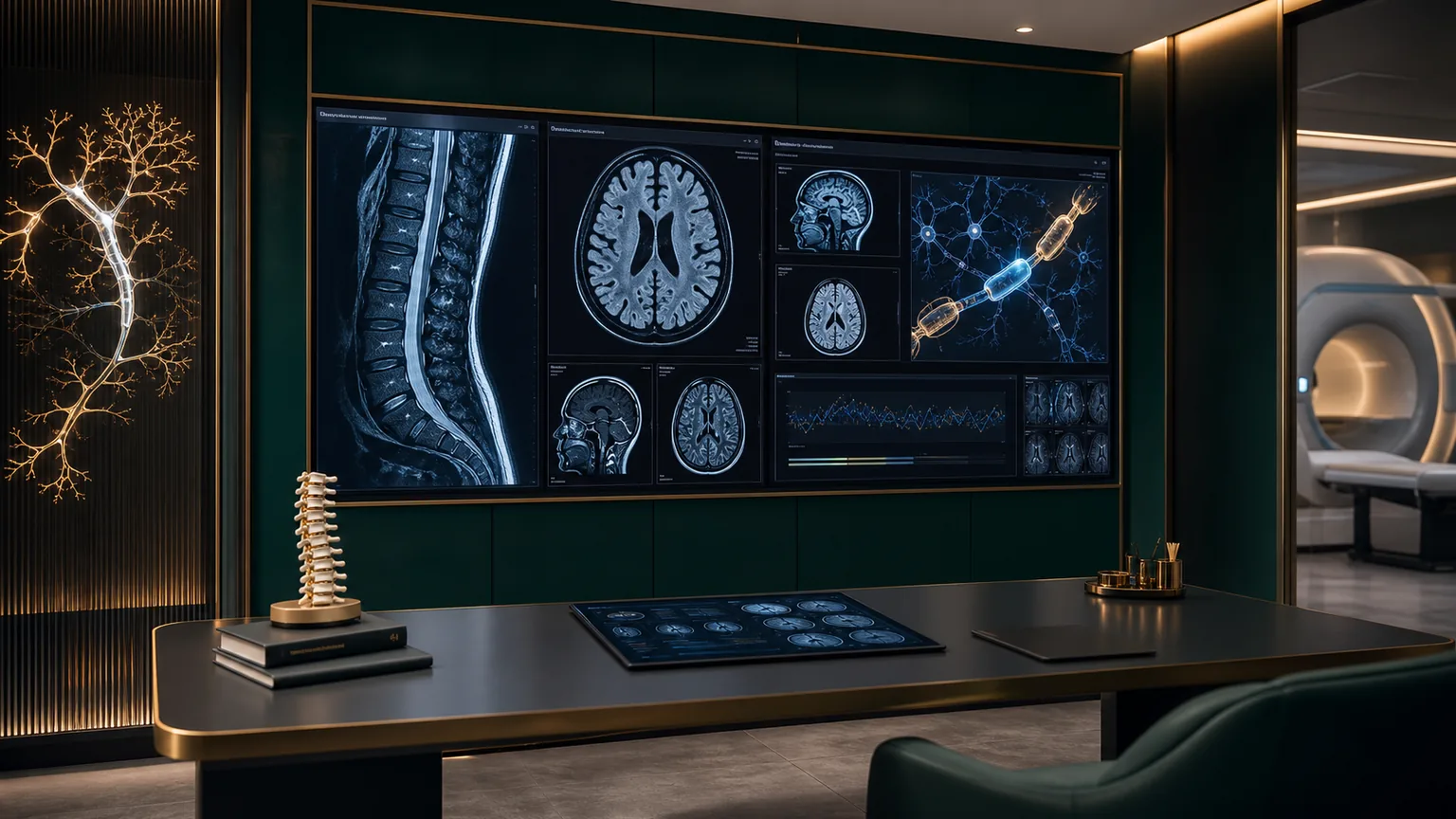
MS planning has to start with neurological clarity.
Multiple sclerosis can affect motor, sensory, visual, cognitive, emotional, bladder, bowel and fatigue-related function. The pattern can be different from one patient to another, so a serious review should not treat MS as a single simple label.
This centre helps patients organize their diagnosis, MRI evidence, relapse history, disease-modifying therapy records, rehabilitation needs and regenerative medicine questions before discussing stem cells, exosomes or travel to Malaysia.
Best starting point: create a one-page MS timeline with diagnosis date, relapses, MRI changes, treatment history, current symptoms, walking ability, fatigue pattern and your top three daily-function goals.
What the doctor-led review should organize.
Diagnosis confidence
Review whether the records support MS, clinically isolated syndrome, relapsing MS, progressive MS, neuromyelitis optica, MOGAD or another neurological condition.
Relapse and progression history
Document relapse dates, recovery level, steroid response, MRI activity, gradual progression, infections and triggers that may affect planning.
MRI and specialist records
Brain and spine MRI reports, neurologist notes, lumbar puncture results and evoked potential reports help the team understand the case before any advanced discussion.
DMT and medication history
Disease-modifying therapy history, immune suppression, steroid exposure, side effects, infections, vaccinations and current medication list are central to safety review.
Functional baseline
Walking distance, falls, spasticity, fatigue, pain, bladder symptoms, vision, hand function, cognition, mood, work and daily independence should be documented.
Recovery support
Rehabilitation, strength, balance training, fatigue management, nutrition, sleep and symptom tracking may support day-to-day function and follow-up clarity.
Stem cells and exosomes belong inside a structured MS review.
Stem cells
Stem cell enquiries for MS should begin with neurologist records, disease activity, treatment history, immune status, safety questions, functional goals and realistic follow-up planning.
Exosomes
Exosomes are extracellular vesicles involved in cellular communication. MS-related discussions should stay evidence-aware and individualized, especially because immune and neurological factors vary between patients.
Clinical Intelligence
The Clinical Intelligence Platform helps organize reports, imaging, medication history, symptom baseline, rehabilitation needs and travel questions before a doctor-led review.
From MS records to a cleaner treatment conversation.
Build the timeline
List symptom onset, relapses, recovery, MRI changes, DMTs, steroids, infections and current daily limitations.
Collect evidence
Prepare MRI reports/images, neurologist letters, lumbar puncture results, evoked potentials, blood tests and medication list.
Map function
Document mobility, fatigue, pain, bladder, bowel, vision, mood, cognition, sleep, falls, work and family support.
Clinical Intelligence Review
The team reviews suitability questions, missing records, safety considerations, rehabilitation needs and travel feasibility.
Follow progress
Track symptoms, adverse events, mobility, fatigue, therapy participation, neurologist updates and follow-up markers over time.
High-intent MS patient groups.
Patients with recent relapse activity
Patients with recent relapses, new MRI activity or treatment changes may need a careful review of current neurological care and safety factors.
Patients with progressive disability
Patients experiencing walking decline, fatigue, pain, bladder issues or reduced independence may need a broader function and rehabilitation review.
Patients comparing advanced options
Patients researching stem cells, exosomes, immune-related treatments or international care should organize evidence before making travel or treatment decisions.
International patients
Patients from Indonesia, China, the Middle East, Singapore, Brunei and other countries can begin online with records before considering Malaysia travel.
What to prepare before review.
Neurology and imaging records
Diagnosis letters, neurologist notes, MRI brain/spine reports, imaging files if available, lumbar puncture and evoked potential results.
Treatment history
DMT names and dates, steroid treatment, relapse management, supplements, immune suppression, infections, vaccination history and side effects.
Function notes
Walking distance, mobility aids, falls, spasticity, fatigue, pain, bladder/bowel symptoms, vision, cognition, sleep, mood and work impact.
Goals and constraints
Explain your priorities, travel limitations, local doctor support, caregiver availability, rehabilitation access and follow-up expectations.
Continue through the neuro-recovery pathway.
Patient Resources
Use the central patient hub to compare neurological, immune, diagnostic, regenerative medicine and international patient pathways.
Rehabilitation And Recovery
Review function tracking, physiotherapy, fatigue support, balance, mobility and recovery planning after doctor-led review.
International Patient Centre
Prepare records, language support, travel timing and follow-up before planning regenerative medicine care in Malaysia.
Multiple sclerosis review questions.
What is the Multiple Sclerosis Centre Malaysia page for?
It is a structured patient guide for people researching MS, relapse history, MRI records, treatment history, stem cell and exosome questions, rehabilitation and Clinical Intelligence Review in Malaysia.
What records should MS patients prepare?
Prepare neurologist notes, MRI brain and spine reports, imaging files if available, lumbar puncture or evoked potential results, relapse history, medication list, DMT history and current function notes.
Can stem cells or exosomes replace neurologist care?
No. Neurologist-led MS care, disease monitoring and medication decisions remain important. Regenerative medicine questions should be discussed only after a doctor-led review of diagnosis, safety, treatment history and follow-up needs.
Can international MS patients begin online?
Yes. International patients can begin with Clinical Intelligence Review before deciding whether a Malaysia visit is appropriate.
Why is rehabilitation included in MS planning?
Rehabilitation can help with mobility, balance, fatigue, spasticity, strength, work capacity, safety and daily function tracking, so it should be part of the planning conversation.
Evidence-aware MS review.
This page is for patient education and preparation. Diagnosis, relapse treatment and disease-modifying therapy decisions should remain coordinated with qualified clinicians.
Book a Clinical Intelligence Review before planning MS-related regenerative medicine in Malaysia.
Submit neurology notes, MRI records, medication history, relapse timeline, functional baseline and recovery goals so the team can organize the case before treatment or travel planning.
This page is for patient education and consultation planning. It does not diagnose multiple sclerosis or replace neurological, rehabilitation or primary medical care.
Use this page as part of a structured decision journey: clarify the patient goal, prepare records, compare options responsibly and move into Clinical Intelligence Review when ready.See how this fits into a doctor-led review.
Clinical review pathwayReviewed through our doctor-led clinical review pathway.
Review The Standards Behind Your Treatment Plan
Before treatment planning, patients can check our doctor-led review process, cell quality documentation, safety questions and readiness pathway in one place.