
MTHFR Gene Mutation Test Malaysia
A patient guide to testing commonly called an MTHFR mutation test. C677T and A1298C are common variants, and results should be interpreted with the reason for testing, symptoms and relevant laboratory findings.
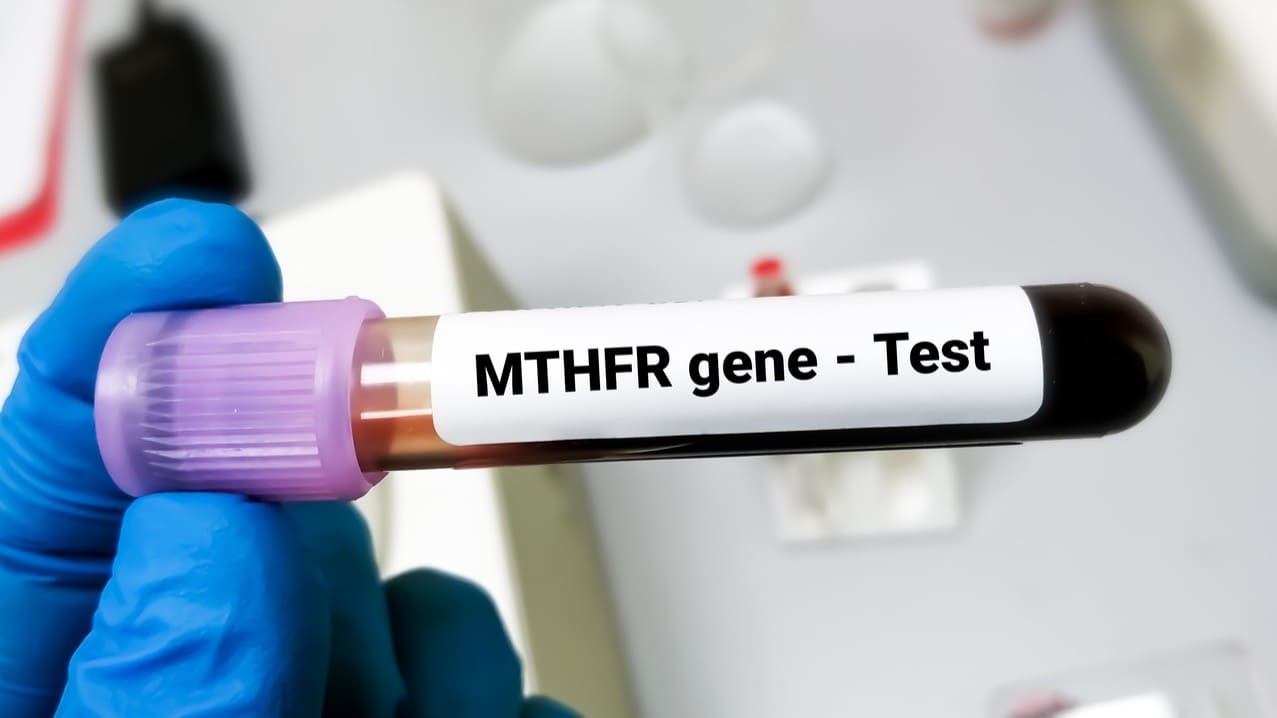
What does an MTHFR gene test show?
An MTHFR gene test detects selected variants in the MTHFR gene, most commonly C677T and A1298C. These are commonly called mutations in search and laboratory reports, but they are widespread gene variants and are not a diagnosis by themselves.
The test does not measure folate, vitamin B12 or homocysteine. It also cannot, on its own, diagnose clotting disorders, infertility, recurrent miscarriage, autism, fatigue, mood disorders or cardiovascular disease.
Ask whether the result will change care.
Interpretation should begin with why the test was requested. A clinician may review the exact genotype alongside symptoms, medicines, supplements, diet and laboratory results such as homocysteine, folate and vitamin B12 when relevant.
Common MTHFR variants are not a reason to avoid folic acid. Pregnancy and supplement decisions should follow individual medical or obstetric guidance.
Four facts that keep MTHFR results in perspective
A common variant is not a diagnosis
C677T and A1298C are common in the population. A positive result does not mean that symptoms or a disease were caused by the variant.
Homocysteine is a separate test
Homocysteine is measured in blood and may be affected by folate, vitamin B12, vitamin B6, kidney function, medicines and other factors.
Folate decisions need clinical context
The CDC states that people with common MTHFR variants can process folic acid. Genotype alone should not direct pregnancy supplementation.
Routine thrombophilia use is not recommended
Professional genetics guidance does not support common MTHFR polymorphism testing as a routine assessment for blood-clot risk.
Who may need help interpreting a result?
Patients with an existing report
Bring the complete report so the exact variant, zygosity, laboratory method and reason for testing can be reviewed.
Patients with abnormal homocysteine
A clinician can consider nutritional status, medicines, kidney function and other causes instead of assuming MTHFR is the explanation.
Pregnancy or clotting questions
These concerns need appropriate obstetric, haematology or genetic assessment rather than genotype-only decisions.
Bring the complete result, not only a screenshot.
Prepare the laboratory report, reason for testing, symptom and diagnosis history, current medicines and supplements, family history and any relevant folate, B12 or homocysteine results.
If testing has not yet been done, ask first whether the result is expected to change a clinical decision.
How an MTHFR result fits into a wider review
1. Confirm the exact finding
Check C677T, A1298C or another variant, zygosity, laboratory method and report wording.
2. Review the clinical question
Connect the result to the reason it was ordered and to appropriate laboratory or specialist assessment.
3. Decide the next useful step
The next step may be no change, nutrition review, another laboratory test or specialist advice rather than a treatment package.
Questions patients ask about MTHFR testing
What does an MTHFR gene test check?
It checks selected variants in the MTHFR gene, commonly C677T and A1298C. It does not measure folate or homocysteine and does not diagnose a medical condition by itself.
Is an MTHFR variant a disease?
No. C677T and A1298C are common gene variants. A result needs clinical context and does not by itself explain symptoms or predict that a disease will occur.
Do common MTHFR variants mean I cannot use folic acid?
No. The CDC states that people with common MTHFR variants can process folic acid and that these variants are not a reason to avoid it. Supplement decisions should still follow individual medical advice.
Is MTHFR testing recommended for blood clots or recurrent miscarriage?
Professional guidance does not recommend common MTHFR polymorphism testing as a routine thrombophilia assessment. Blood-clot or pregnancy-loss concerns need appropriate clinician-led evaluation.
What results should be reviewed alongside MTHFR?
The reason for testing, symptoms, medication and supplement history, homocysteine, folate, vitamin B12 and other clinically relevant findings should be reviewed together.
Evidence used for this patient guide
CDC MTHFR and folic acid facts
Current public-health guidance on common MTHFR variants, folic acid processing and pregnancy supplementation.
ACMG practice guideline
Professional genetics guidance on the limited clinical utility of routine MTHFR polymorphism testing for thrombophilia.
MedlinePlus laboratory guide
Patient information explaining what MTHFR testing can show and why it is not routinely needed in many situations.
Put the MTHFR result in context before changing a care plan.
Share the complete report, relevant laboratory results and the question you want answered so the clinical team can identify what the result does and does not add.
Use diagnostics as a smarter clinical planning layer.
Use this page as part of a structured decision journey: clarify the patient goal, prepare records, compare options responsibly and move into Clinical Intelligence Review when ready.