
Advanced Toxicity Testing
A toxicity testing pathway that helps identify hidden toxic burden from heavy metals, mould toxins, pesticides, solvents and environmental chemicals.
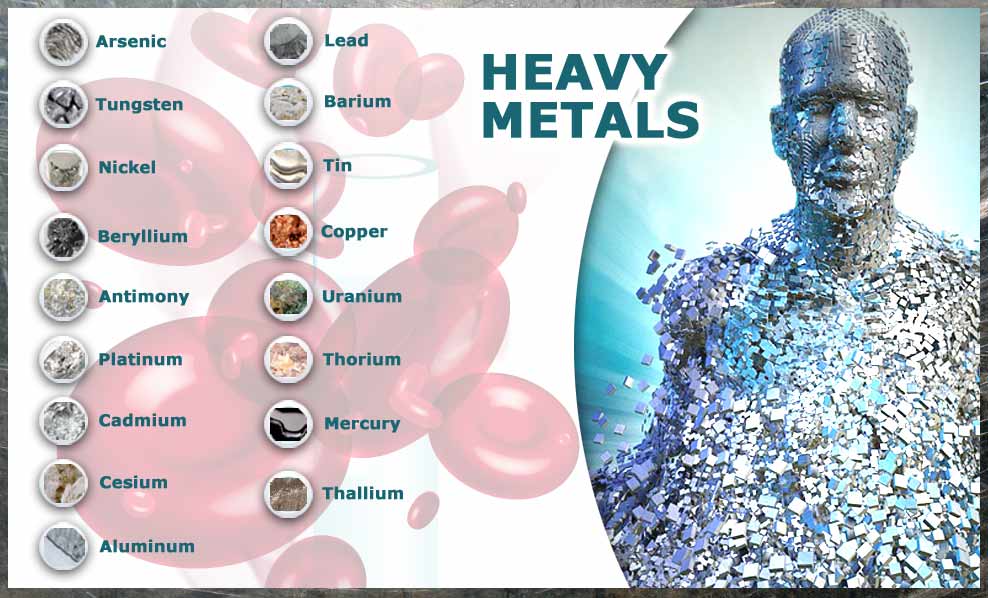
Toxic burden can quietly affect cellular repair and recovery.
Heavy metals, mould toxins, pesticides, phthalates, BPA, solvents and other pollutants may contribute to fatigue, brain fog, inflammation, immune stress, hormonal imbalance and poor recovery.
The goal is not just detection. It is safer prioritisation.
Toxicity results should be reviewed with symptoms, exposure history, liver and kidney function, medications, nutrition and safety considerations before any detox or chelation strategy is discussed.
What Advanced Toxicity Testing can help clarify
Heavy metals
Screens for substances such as arsenic, lead, mercury, cadmium and aluminium where clinically relevant.
Mould and environmental toxins
May include mycotoxins and common environmental pollutants depending on test type and symptoms.
Detox readiness
Helps guide whether detox support, organ support or follow-up testing should be considered.
Who may consider toxicity testing?
Brain fog or fatigue patients
Patients with unexplained fatigue, cognitive symptoms, weakness or poor recovery.
Inflammatory or autoimmune concerns
Patients with chronic inflammation, immune issues, skin flare-ups or digestive symptoms.
Exposure risk patients
People with mould exposure, industrial exposure, pesticide exposure or high environmental chemical burden.
How we use the result
The result can support safer detox planning, exposure reduction, nutritional support, organ support and regenerative medicine preparation where suitable.
Detox strategies should be medically guided. Aggressive detox or chelation without proper review can be unsafe for some patients.
Questions Patients Commonly Ask Before Testing
What does toxicity testing screen for?
Depending on the test, it may screen for heavy metals, mycotoxins, pesticides, solvents and environmental pollutants.
Is toxicity testing useful before stem cell therapy?
It may be useful when toxin burden could affect inflammation, cellular repair, energy or recovery planning.
Does a positive result mean I need chelation?
Not always. The safest next step depends on levels, symptoms, kidney/liver function and clinical review.
Turn diagnostic data into a clearer treatment conversation.
Share your symptoms, history and diagnostic questions with our doctor-led team so the result can be reviewed in the context of regenerative medicine suitability, recovery goals and follow-up planning.
Use diagnostics as a smarter clinical planning layer.
Use this page as part of a structured decision journey: clarify the patient goal, prepare records, compare options responsibly and move into Clinical Intelligence Review when ready.