
Epigenetic Test
A biological-age and gene-expression assessment that helps connect lifestyle, stress, inflammation, toxins and methylation patterns to personalised longevity planning.
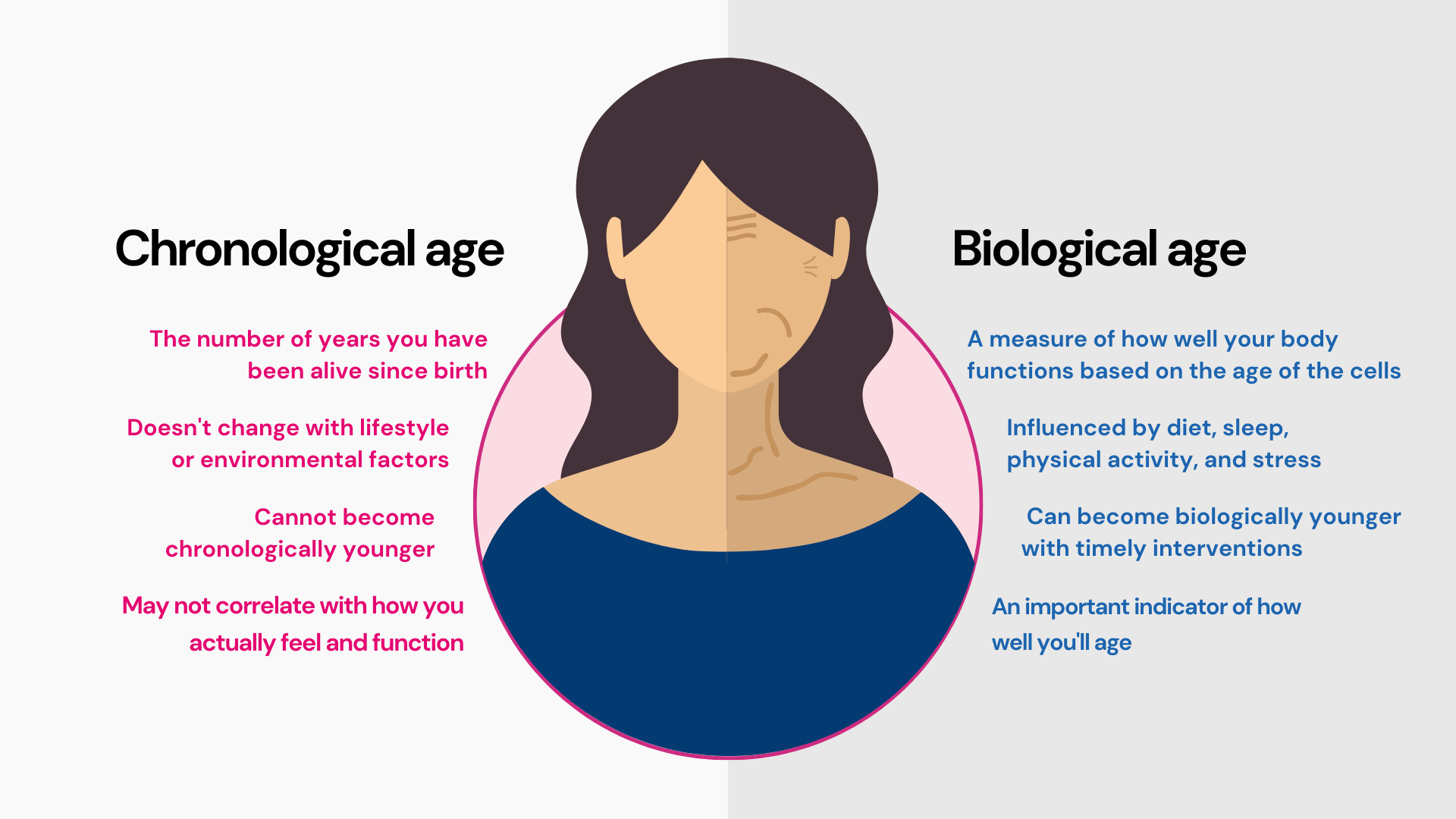
Epigenetic testing looks at how your biology is being expressed.
Your DNA is the blueprint, but epigenetic signals influence which genes are turned on or off. Lifestyle, diet, stress, toxin exposure, sleep, inflammation and environment may all affect these patterns.
Biological age is more powerful when it becomes a plan.
The result can guide practical discussions around longevity, inflammation control, cellular stress, methylation support, NAD+, stem cell therapy timing and follow-up tracking.
What the Epigenetic Test can help clarify
DNA methylation patterns
Helps assess gene-expression related ageing signals and methylation status.
Biological age clock
Compares ageing-related patterns against chronological age for a clearer longevity baseline.
Inflammation and stress signals
May highlight cellular stress, oxidative burden and health risk patterns.
Who may consider epigenetic testing?
Adults over 30
People who want a clearer biological-age baseline and longevity plan.
Longevity and biohacking patients
Patients using NAD+, stem cells, nutrition or lifestyle optimisation who want measurable tracking.
Chronic fatigue or cognitive concerns
Individuals with fatigue, brain fog, metabolic syndrome or high-stress lifestyles.
How we use the result
The result supports personalised longevity planning, nutrition and lifestyle strategies, regenerative medicine timing and progress monitoring.
Epigenetic testing is not a stand-alone diagnosis. It should be interpreted in context with symptoms, medical history and other biomarkers.
Questions Patients Commonly Ask Before Testing
What is an epigenetic test?
It analyses gene-expression related signals such as DNA methylation patterns without changing your DNA sequence.
Can it show biological age?
Yes, many epigenetic tests estimate biological age using DNA methylation clock models.
Can results change over time?
Epigenetic patterns may shift with lifestyle, environment, inflammation, stress and health interventions.
Turn diagnostic data into a clearer treatment conversation.
Share your symptoms, history and diagnostic questions with our doctor-led team so the result can be reviewed in the context of regenerative medicine suitability, recovery goals and follow-up planning.
Use diagnostics as a smarter clinical planning layer.
Use this page as part of a structured decision journey: clarify the patient goal, prepare records, compare options responsibly and move into Clinical Intelligence Review when ready.