
Targeted Stem Cells For Chronic Kidney Disease Malaysia
A doctor-led regenerative medicine review for patients exploring targeted stem cell therapy in the context of chronic kidney disease, inflammation, fibrosis risk and renal function monitoring.
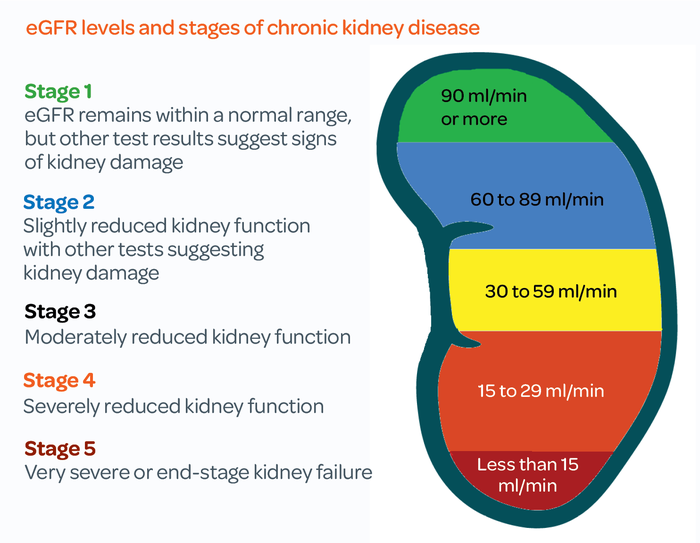
Kidney disease decisions must be based on stage, cause and stability.
Chronic kidney disease may involve diabetes, hypertension, autoimmune disease, medication history, inflammation, fibrosis and vascular factors.
A targeted stem cell review helps identify whether regenerative medicine discussion is appropriate or whether stabilisation and diagnostics should come first.
Kidney patients need safety-first suitability review.
We review eGFR, creatinine, urine protein, blood pressure, diabetes control, medication list, imaging, kidney diagnosis, dialysis status and nephrology notes where available.
Patients should remain under nephrology care. Regenerative planning should be coordinated around kidney safety and monitoring.
Where stem cell therapy may fit into CKD planning
Inflammation and tissue stress
The review may consider inflammatory and fibrotic pathways that influence kidney health.
Metabolic and vascular contributors
Diabetes, hypertension, vascular disease and metabolic risk often shape the treatment conversation.
Monitoring and staged planning
CKD cases need baseline markers and follow-up rather than generic treatment selection.
Best suited for patients with clear renal reports and a stable review pathway.
Patients with CKD reports
Recent eGFR, creatinine, urine protein and diagnosis details help the team review suitability.
Patients with diabetes or hypertension-related kidney concerns
Metabolic and vascular drivers must be understood before treatment planning.
International patients planning Malaysia care
Reports can be submitted before travel decisions are made.
We connect kidney stem cell discussion to renal markers and medical safety.
The plan may include report review, medication mapping, risk screening, renal marker tracking, metabolic review and staged suitability discussion.
How to start CKD stem cell review
1. Share renal reports
Send eGFR, creatinine, urine protein, ultrasound, medication list, diagnosis and nephrology notes.
2. Review stage and risk
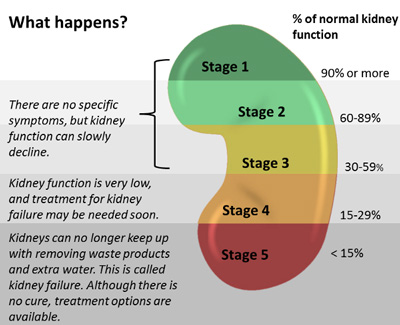
The team reviews CKD stage, stability, complications and whether regenerative discussion is appropriate.
3. Plan monitoring
If suitable, the plan should include baseline and follow-up renal markers.
Questions Patients Ask About Stem Cells For CKD
What kidney reports should I send?
eGFR, creatinine, urine protein, ultrasound, medication list, diabetes or blood pressure history and nephrology notes are useful.
Can CKD patients receive IV therapies?
Suitability depends on kidney function, fluid status, medications and doctor review. CKD requires extra caution.
Is this reviewed differently from other conditions?
Yes. Kidney function, stage, cause and stability are central to planning.
Start with renal reports before choosing targeted stem cells for CKD.
Send your kidney results and medical history so our team can assess whether stem cell discussion, stabilisation or further review should come first.
Compare the treatment through a doctor-led pathway.
Use this page as part of a structured decision journey: clarify the patient goal, prepare records, compare options responsibly and move into Clinical Intelligence Review when ready.