
NKT Cells For Cancer Treatment Malaysia
A doctor-led immune-cell therapy review for patients exploring Natural Killer T cell support in the context of cancer care, immune function, recovery planning and oncology-coordinated decision making.
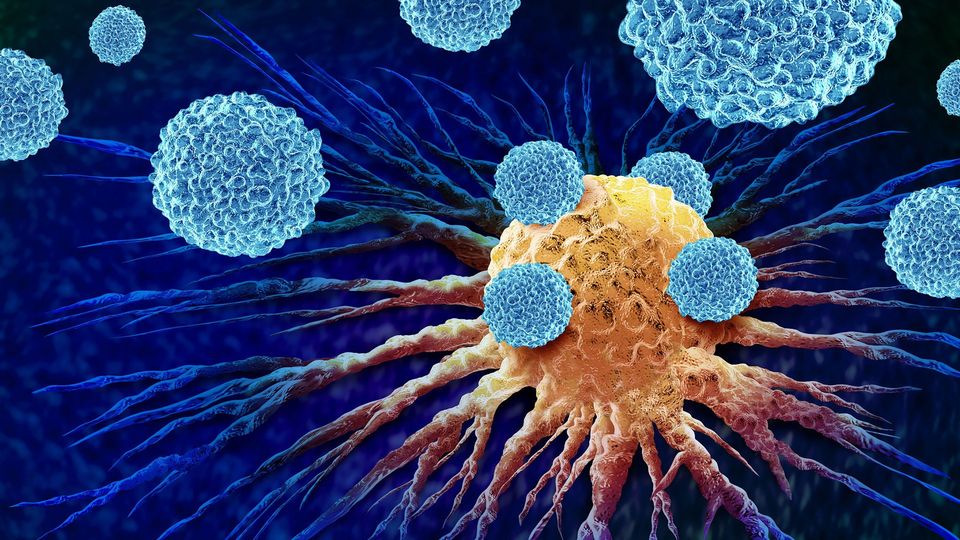
Natural Killer T cells bridge fast immune response and targeted immune signalling.
NKT cells are specialised immune cells with features of both Natural Killer cells and T cells. They can respond rapidly and release cytokine signals that influence other immune cells, which is why NKT cells are studied in immunology and cancer-support research.
For patients, the important question is not simply whether NKT cells sound promising. The key question is whether an immune-cell approach is appropriate for the diagnosis, current oncology treatment, immune status and safety profile.
Cancer-related immune therapy should not be planned in isolation.
NKT cell review should be coordinated around the patient's oncology plan, cancer type, stage, treatment history, scans, tumour markers, blood counts, infections, medications and current performance status.
This page is for immune-cell therapy education and review planning. Patients should continue working with their oncologist for diagnosis, staging and primary cancer treatment decisions.
Where NKT cell therapy may fit into a careful patient discussion
Immune surveillance discussion
NKT cells are studied for their role in immune signalling, cytokine release and interaction with other immune cells involved in surveillance.
Cancer-care support planning
Patients may request review when comparing supportive immune-cell approaches alongside conventional oncology care and recovery planning.
Post-treatment immune wellness
Some patients ask about immune recovery, inflammation, fatigue and resilience after chemotherapy, radiotherapy, surgery or other cancer treatments.
Best suited for patients with complete oncology records and a clear clinical question.
Patients exploring adjunctive immune support
Patients may request review when they want to understand whether immune-cell support can be discussed alongside oncology-directed treatment.
Patients after cancer treatment
Patients in recovery may ask about immune wellness, fatigue, inflammation, resilience and follow-up support.
Patients comparing immune testing and therapy
Some patients may need immune-function testing or medical optimisation before any immune-cell therapy discussion.
We start with records, risk and timing.
The review looks at cancer type, stage, scans, tumour markers, pathology, oncology treatment plan, blood counts, liver and kidney function, infection risk, medications, immune history and patient goals.
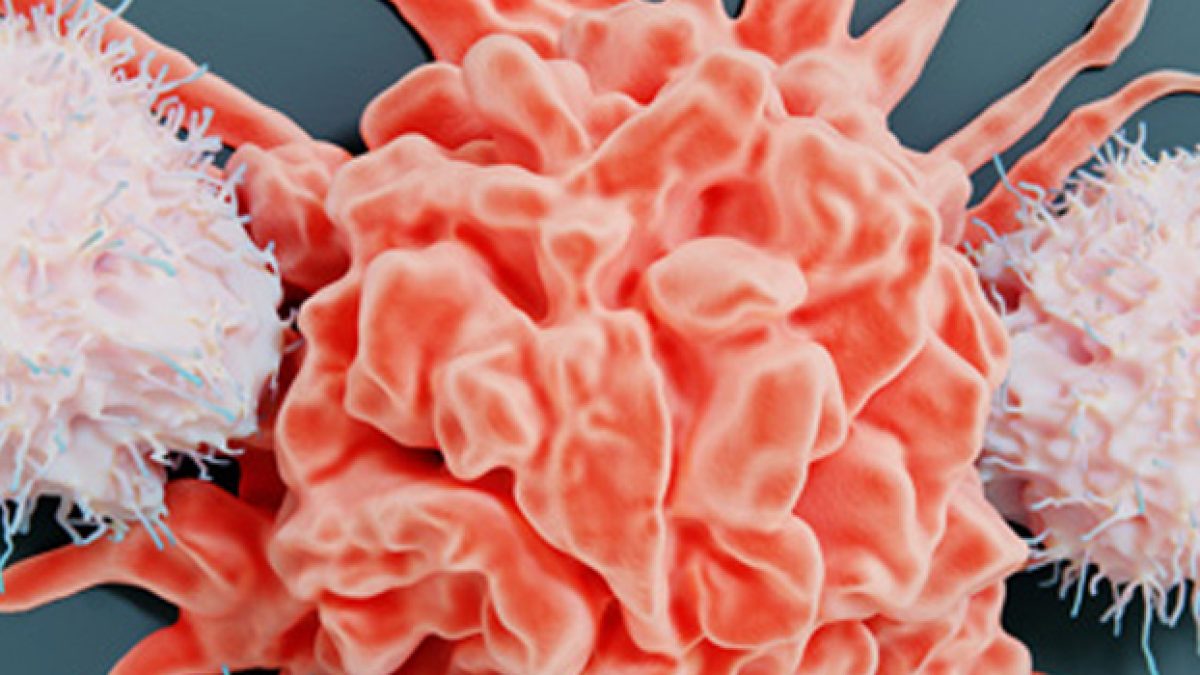
How to start NKT cell therapy review
1. Submit oncology records
Share diagnosis, stage, pathology, scans, tumour markers, current treatment plan, medication list and recent blood results.
2. Review immune suitability
The team reviews whether immune-cell therapy discussion, immune testing, recovery support or oncology coordination should come first.
3. Plan safe sequencing
If suitable, the plan should consider timing, monitoring, supportive care and communication with the patient's oncology pathway.
NKT cell review often connects to broader immune wellness planning.
Post-cancer recovery
Patients may need structured immune wellness, nutrition, fatigue and recovery planning after cancer treatment.
Immune function testing
NK Cell Activity testing may help some patients discuss immune function more objectively.
Patient Resources
Patients comparing cancer recovery, inflammation, fatigue and regenerative medicine pathways can use the Patient Resources hub.
Immune-cell therapy requires precision and responsibility.
NKT cell therapy should be discussed as a personalised immune-support pathway, not as a replacement for oncology diagnosis, staging, surgery, chemotherapy, radiotherapy, targeted therapy or immunotherapy decisions made by the treating oncology team.
Patients with active infection, unstable blood counts, severe organ dysfunction or unclear oncology status need medical review before any elective immune-cell therapy planning.
Questions Patients Commonly Ask About NKT Cells
What are NKT cells?
Natural Killer T cells are immune cells that share features of Natural Killer cells and T cells and help coordinate immune signalling.
Is this the same as standard oncology treatment?
No. NKT cell review should be discussed as an immune-support pathway and coordinated around oncology-directed care.
What records should I submit?
Diagnosis, stage, pathology, scans, tumour markers, current treatment plan, blood counts, medication list and oncology notes are useful.
Can NKT review be done after cancer treatment?
Yes, patients in recovery may request immune wellness review, but suitability depends on current status, blood markers and oncology follow-up.
Cancer-support situations that need structured review
NKT cell enquiries should always be coordinated with oncology history, immune status and safety screening.
Post-cancer recovery
Fatigue, immune wellness, nutrition and rehabilitation may need a survivorship plan after oncology treatment.
View pathwayImmune function questions
NK activity and blood markers may help organize immune-wellness review in selected patients.
View pathwayActive oncology treatment
Patients currently under oncology care need record review and coordination before any supportive discussion.
View pathwayRecovery and resilience planning
Cancer-related fatigue, inflammation and nutrition often require a broader recovery pathway.
View pathwayStart with oncology records before choosing immune-cell therapy.
Share your diagnosis, scans, blood results and treatment history so the team can advise whether NKT cell review, immune testing, recovery support or oncology coordination should be discussed first.
Compare the treatment through a doctor-led pathway.
Use this page as part of a structured decision journey: clarify the patient goal, prepare records, compare options responsibly and move into Clinical Intelligence Review when ready.