
Post-Cancer Recovery And Immune Wellness Clinical Intelligence Hub
A doctor-led survivorship preparation pathway for patients organizing oncology history, follow-up plans, treatment side effects, fatigue, nutrition, immune markers, NK cell testing, rehabilitation and Clinical Intelligence Review in Malaysia.
Latest scans, blood tests and follow-up plan
Fatigue, nutrition, sleep and infection history
Immune wellness, NK activity and rehabilitation questions
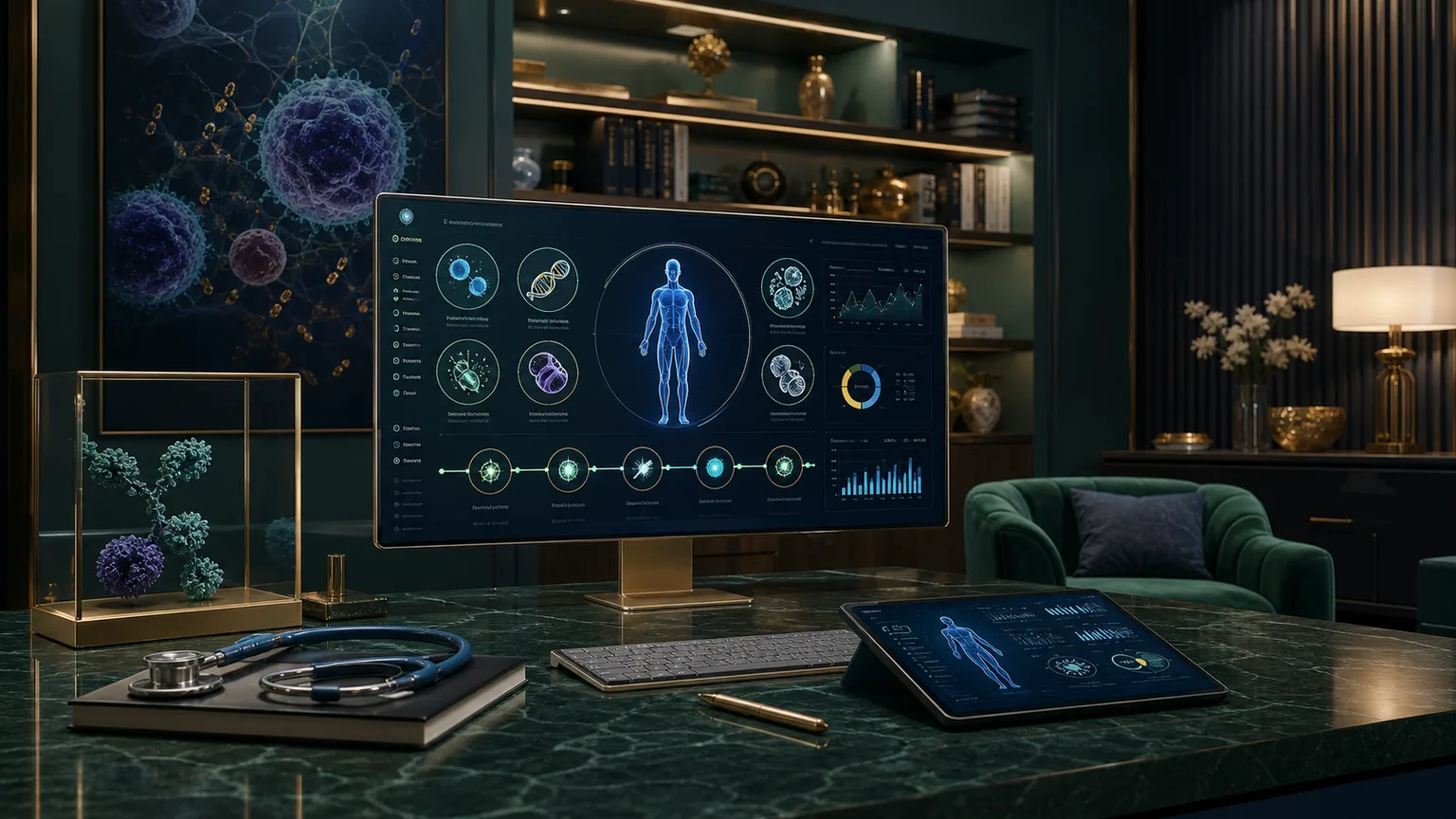
After cancer treatment, the next challenge is rebuilding clearly and safely.
Many patients finish surgery, chemotherapy, radiotherapy, immunotherapy or targeted therapy with a simple question: what now? The answer should not be random supplements or disconnected wellness advice. It should begin with oncology status, treatment history, fatigue pattern, nutrition, immune context, rehabilitation needs and specialist follow-up.
This hub helps patients organize post-cancer recovery questions for a doctor-led Clinical Intelligence Review while keeping oncology care central. The goal is better preparation, clearer coordination and a safer recovery plan.
Important positioning: this page supports survivorship preparation and immune wellness discussion. It does not diagnose, treat, prevent or monitor cancer and it does not replace oncology care.
What the doctor-led review should organize.
Oncology history
Review cancer type, stage, treatment dates, response summary, current status, latest reports and planned oncology follow-up.
Treatment effects
Map fatigue, neuropathy, pain, appetite, sleep, weight changes, cognitive fog, mood, infections and medication side effects.
Blood and immune markers
Organize complete blood count, inflammatory markers, liver and kidney function, infection history and NK cell activity testing context where appropriate.
Nutrition and gut status
Review appetite, protein intake, digestion, bowel pattern, weight loss or gain, deficiencies, supplements and treatment-related tolerance issues.
Function baseline
Track walking, stairs, strength, work return, sleep quality, exercise tolerance, daily independence and family support needs.
Specialist coordination
Any wellness or recovery plan should respect oncology restrictions, surveillance schedule, medication interactions and red-flag symptoms.
Immune recovery should be reviewed through records, not assumptions.
NK Cell Activity Test
Selected patients may ask about NK cell activity as part of immune context. It should be interpreted with oncology history, infection history, blood counts and clinical status.
NKT cell enquiries
NKT-related questions should be handled carefully and separately from oncology treatment decisions, with appropriate specialist coordination and evidence-aware discussion.
Rehabilitation and recovery
Strength, fatigue, mobility, sleep and confidence often need a structured recovery plan, especially after deconditioning or long treatment courses.
From oncology records to a practical recovery plan.
Confirm status
Collect oncology diagnosis, treatment summary, latest review, scan reports and follow-up schedule.
Map symptoms
Document fatigue, sleep, pain, appetite, neuropathy, infections, mood, cognition and daily function.
Review labs
Organize blood count, organ function, inflammation, nutrition markers and immune testing context.
Coordinate care
Respect oncology restrictions, surveillance, medication interactions and specialist recommendations.
Track recovery
Follow strength, appetite, sleep, energy, walking, work return and quality-of-life goals over time.
Continue through the immune wellness and recovery pathway.
Clinical Intelligence Platform
Submit records and recovery questions before planning next steps.
International Patient Centre
For overseas patients planning record review, Malaysia travel, language support and follow-up.
Patient Resources
Explore condition centres, diagnostics, safety checklists and treatment preparation tools.
Post-cancer recovery and immune wellness questions.
What is this post-cancer recovery page for?
It is a supportive survivorship and immune wellness guide for patients who have completed or are coordinating cancer treatment and want to organize oncology history, fatigue, nutrition, immune markers and rehabilitation questions before doctor-led review.
Does this page replace oncology care?
No. Cancer diagnosis, treatment, monitoring and recurrence surveillance must remain with the patient’s oncologist or qualified cancer care team.
What records should I prepare?
Prepare oncology diagnosis, treatment summary, surgery, chemotherapy, radiotherapy, immunotherapy or targeted therapy history, latest scans, blood tests, medication list, oncology follow-up plan, fatigue pattern and nutrition concerns.
Can international patients begin online?
Yes. Patients can begin with Clinical Intelligence Review before deciding whether a Malaysia visit is appropriate, especially when oncology records need to be reviewed first.
What is reviewed for immune wellness?
The review may organize blood counts, inflammation markers, infection history, nutrition status, sleep, fatigue, NK cell activity testing context, rehabilitation needs and oncology coordination.
Evidence-aware survivorship review.
This page is for patient education and post-treatment preparation. Cancer care, cancer monitoring and recurrence concerns should remain coordinated with oncology specialists.
Book a Clinical Intelligence Review before planning post-cancer recovery support.
Submit oncology history, latest reports, follow-up plan, fatigue pattern, nutrition concerns, immune wellness questions and rehabilitation goals so the team can organize the case before discussion.
This page is for patient education and consultation planning. It does not diagnose, treat, prevent or monitor cancer and does not replace oncology care, oncology surveillance, emergency care, primary care, nutrition care or rehabilitation professionals.
Use this page as part of a structured decision journey: clarify the patient goal, prepare records, compare options responsibly and move into Clinical Intelligence Review when ready.See how this fits into a doctor-led review.